

Essential clinical insights for healthcare practitioners on diagnosing Systemic Lupus Erythematosus (SLE) in Ghanaian patients. Rheumatology Society of Ghana

World Sjögren’s Day | 23 July | Understanding the systemic realities of this autoimmune condition and how we are advancing patient-centred care across Ghana.
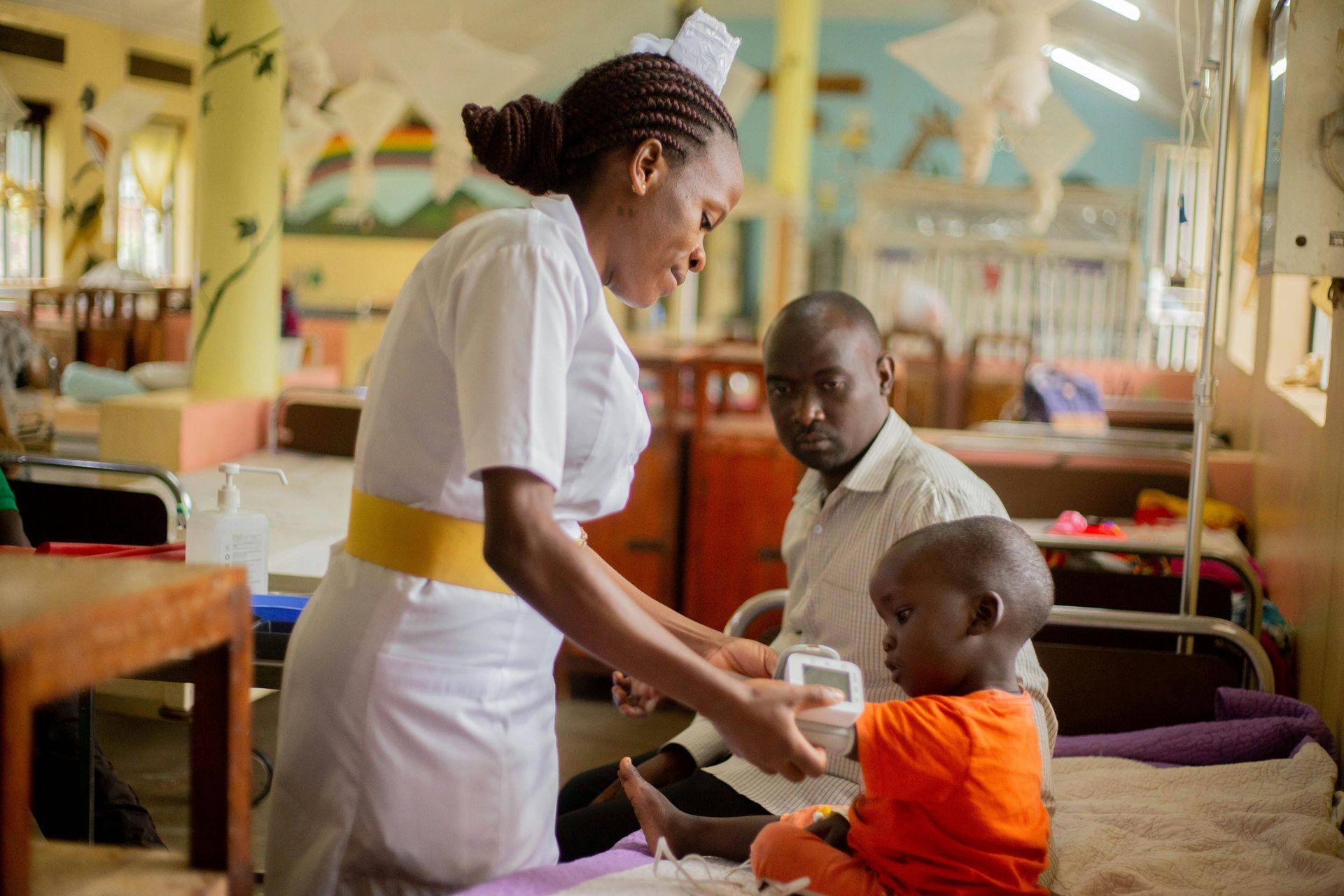
As the Rheumatology Society of Ghana (RSG) continues to expand its reach, it is essential to address the broader systemic challenges that impact the delivery of care for rheumatic and musculoskeletal diseases (RMDs) across our nation. While our clinical expertise is growing, the path to comprehensive care for the average Ghanaian patient remains hindered by several "general issues" that require urgent attention from policymakers, healthcare administrators, and the public alike. One of the most pressing concerns is the high cost of long-term care. Rheumatic conditions are, by definition, chronic. Unlike an acute infection that can be cleared with a single course of antibiotics, conditions like Rheumatoid Arthritis or Psoriatic Arthritis require life-long medication and monitoring. For many in our community, the financial burden of monthly prescriptions, frequent laboratory tests, and specialized imaging like musculoskeletal ultrasounds is overwhelming. When these costs are not fully covered by insurance, patients are often forced to choose between their health and their daily livelihood, leading to "medical non-compliance" that isn't a choice, but a financial necessity. Furthermore, there is a significant geographical disparity in access to specialized care. Currently, the majority of Ghana’s rheumatology resources are concentrated in major urban hubs like Accra and Kumasi. For a patient living in the northern regions or rural outskirts, a single follow-up appointment can involve a full day of travel and significant transportation costs. This "distance barrier" often leads to lost follow-ups, allowing manageable conditions to flare into debilitating crises. To address these hurdles, the RSG is advocating for a more integrated healthcare model. We are calling for: Wider Insurance Coverage : Incorporating more specialized DMARDs (Disease-Modifying Anti-Rheumatic Drugs) and diagnostic tests into the National Health Insurance Scheme. Telemedicine Initiatives : Leveraging digital health to provide remote consultations for stable patients in underserved areas. Primary Care Training : Equipping general practitioners and nurses across all ten regions with the skills to recognize early warning signs and manage basic maintenance therapy. The burden of RMDs is not just a medical issue; it is a socio-economic one. When a young breadwinner is sidelined by chronic pain, the entire family unit suffers. By addressing these systemic gaps, we aren't just treating joints—we are protecting the productivity and well-being of our nation. We invite our partners and stakeholders to explore our Advocacy page to see how we are working to make rheumatology care accessible to every Ghanaian, regardless of their location or income. Together, we can build a healthcare system that truly leaves no one behind.